
Things to Do in Honduras in September
September weather, activities, events & insider tips
Low Season · Budget Friendly
September Weather in Honduras
Long-run averages for September in San Pedro Sula
91°F (33°C)
High Temp
75°F (24°C)
Low Temp
5.5 inches (140 mm)
Rainfall
79%
Humidity
6
Rainy Days
12
Sunny-Day UV
⚠ Hurricane season is active. Direct hits on Honduras are uncommon. Tropical storms and depressions still deliver sustained rain, dangerous surf, and multi-day ferry and flight disruptions between mainland and islands. Watch Caribbean forecasts daily. Carry insurance covering weather delays and cancellations.
⚠ Flash flooding threatens Caribbean lowlands around La Ceiba and Tela after heavy rain. River crossings in Pico Bonito and Nombre de Dios national parks can vanish within hours. Never ford swollen rivers on foot. Confirm conditions with local guides before waterfall hikes.
⚠ Mosquito-borne illnesses spike in wet season. Dengue and Zika risk rises. September rains create breeding pools in lowlands and coasts. Apply DEET or picaridin consistently. Sleep under nets or behind screens without AC. Cover arms and legs at dawn and dusk.
Is September Right for You?
Weigh the advantages and considerations before booking
Advantages
- + September hits a rainfall sweet spot for Honduras. At 99 mm (3.9 inches), it receives less rain than June, July, or August, and far less than October's deluge of 437 mm (17.2 inches) just weeks later. Storms arrive in sharp afternoon bursts that clear within an hour. Mornings and evenings stay wide open for diving, hiking, and exploring coastal towns while everything smells like wet earth and frangipani.
- + Roatan's reef visibility improves in September as summer swells subside and sediment settles. Water temperatures hover around 28°C (82°F), warm enough for a rashguard alone. The whale shark corridor between Utila and the Cayos Cochinos stays active through the month. Cruise ships thin out. Dive operators run smaller groups, which means more time underwater and less jostling at the Odyssey wreck or Mary's Place wall.
- + Accommodation rates across the Bay Islands and mainland drop from their December-through-April peaks. September sits squarely in low season. Negotiating multi-night stays at guesthouses in Utila's East Harbour or along Roatan's West End strip becomes easier. Flights from North American hubs to San Pedro Sula and Roatan run cheaper. You will not compete with spring break crowds or Christmas holidaymakers for seats.
- + Independence Day on September 15 turns the entire country into a civic celebration. Tegucigalpa's central boulevard fills with school marching bands and drum corps that have rehearsed since July. Smaller towns across the western highlands stage their own parades with rawer, less polished energy that is more fun to watch. Honduras performs for itself rather than visitors this week. That distinction matters.
Considerations
- − September remains hurricane season in the western Caribbean. Direct hits on Honduras are rare compared to the Yucatan or Jamaica. Tropical storms can stall offshore and produce days of grey, wind-driven rain that shuts down ferry service between La Ceiba and the Bay Islands. When that happens, you are stuck until the seas calm. Travel insurance covering weather disruptions is not optional this month.
- − The Caribbean coast lowlands around La Ceiba and Tela hit peak humidity in September. At 70% average humidity, temperatures feel hotter than the thermometer suggests. Walking through La Ceiba's market district or hiking Pico Bonito National Park trails during midday becomes uncomfortable. The heat does not break until well after sundown. Not every budget guesthouse runs reliable air conditioning.
- − Smaller highland towns in Lempira and Intibuca departments see unpaved access roads soften into mud after sustained rain. Driving from Gracias to Lenca villages becomes a slow, slippery affair. A four-wheel-drive vehicle is not a suggestion for the western highlands in September. It is a requirement. Rental agencies in San Pedro Sula carry them. Availability tightens if you do not book ahead.
Best Activities in September
Top things to do during your visit
Bay Islands Reef Diving and Snorkeling
The Mesoamerican Barrier Reef, the second largest on earth, runs along Roatan, Utila, and Guanaja. September is one of the quieter months to experience it. Water clarity improves as summer chop settles. Sites like the vertical wall drops off Utila's north shore or the swim-through tunnels near French Harbour see fewer divers per group. Whale sharks patrol the deep channels between Utila and the mainland through late September. Operators run dedicated spotting trips when conditions allow. The water is bathtub-warm at 28°C (82°F). Even snorkelers staying shallow spot parrotfish, eagle rays, and the occasional nurse shark resting on sandy patches between coral heads. Morning departures have calmer seas. Afternoon swells pick up if a system moves through the Caribbean.
Booking Tip: Book dive packages at least two weeks ahead, for multi-day open water or advanced certification courses. Look for PADI or SSI affiliated operators with their own boats rather than brokers. September's low season means some smaller outfits reduce schedules. Confirm departure days before committing. See current options in the booking section below.
Copan Ruinas Archaeological Exploration
The Maya ruins at Copan sit at roughly 600 m (1,970 ft) elevation in the western highlands. September temperatures are cooler than the coast, typically around 24°C (75°F) during the day. The Hieroglyphic Stairway, the longest known Maya text carved in stone, and the macaw-flanked ball court benefit from thinner crowds. You can stand in front of the stelae in the Great Plaza without being elbowed aside by tour groups. The surrounding town of Copan Ruinas has a slower, almost colonial feel. Its cobblestone streets are lined with bougainvillea that peaks in the rainy season. The bird park adjacent to the ruins is home to scarlet macaws that the Copan conservation project has been reintroducing to the valley. Mornings are best for the ruins. Rain rolls in after lunch, turning the site's grassy plazas into vivid, almost electric green.
Booking Tip: Arrange guided tours of the ruins and connected tunnels at least a week in advance. The tunnel tours, which reveal painted stucco facades buried beneath later construction, require a separate ticket and limit group size. Licensed guides at the entrance know the iconography cold. They are worth the cost. Check current guided options in the booking section below.
Pico Bonito National Park Hiking and Waterfall Treks
Pico Bonito rises to 2,435 m (7,989 ft) behind La Ceiba on the Caribbean coast, and September's rainfall keeps its rivers full and its waterfalls thundering. The trail to El Bejuco waterfall, roughly a two-hour hike through dense tropical forest, rewards with a cascade that drops into a pool cold enough to shock after the humid walk in. The forest canopy is at its densest and greenest in September, and the birdlife responds accordingly: keel-billed toucans, motmots with their pendulum tails, and if you are very quiet on the upper trails, the occasional resplendent quetzal moving through the cloud forest band. Start hiking before 7 AM. By 10 AM the humidity in the lower forest becomes oppressive, and by early afternoon the trails can turn slick from rain. Sturdy boots with ankle support and proper tread are non-negotiable here, not trail runners.
Booking Tip: Book guided hikes through the park's visitor centre or through licensed ecotourism operators in La Ceiba at least a week ahead. September sees fewer groups, so private or semi-private tours become more feasible. Guides carry first-aid kits and know which river crossings become impassable after heavy rain. See current hiking and nature tour options in the booking section below.
Chocolate and Cacao Workshops on Roatan
Honduras grows some of Central America's finest cacao, and Roatan has turned that heritage into hands-on workshops where you roast, grind, and temper beans into chocolate using methods that trace back to the region's pre-Columbian roots. September's lower visitor numbers mean smaller workshop groups and more time with instructors who know the difference between Trinitario and Criollo varietals. The smell of cacao nibs roasting over a wood fire in the humid island air is sharply bitter and sweet at the same time, nothing like the sanitised chocolate aisle back home. The workshops typically run two to three hours and include tasting flights that range from raw nibs to finished bars with sea salt or local chili. It is a perfect midday activity when the sun is too high for comfortable beach time and the afternoon rain has not yet arrived.
Booking Tip: Reserve workshop spots three to five days ahead. Group sizes are small by design, and September availability is generally good but not unlimited. Morning sessions tend to be cooler and more comfortable than afternoon ones. Check the booking section below for current workshop availability.
Cayos Cochinos Island Day Trips
The Cayos Cochinos archipelago, a cluster of coral cays and two larger islands about 30 km (18.6 miles) off La Ceiba, is a marine biological reserve with strictly limited access. September's calmer intervals between weather systems produce some of the best snorkeling conditions of the wet season, with visibility reaching 20 m (65 ft) on good days. The Garifuna community on Chachahuate Cay still lives largely without roads or vehicles, and the fish cooked over coconut-husk fires on the beach there, usually snapper or barracuda, tastes like it was swimming twenty minutes before it hit your plate. The islands are also home to the Cayos Cochinos pink boa constrictor, an endemic subspecies found nowhere else on earth. Access is by boat from La Ceiba or Sambo Creek, and the crossing takes roughly an hour depending on sea state.
Booking Tip: Book day trips at least one week in advance and confirm the morning of departure, because operators will cancel if seas are rough. Look for boats with proper safety equipment and a licensed captain. The reserve charges an entrance fee collected at the dock. See current trip options in the booking section below.
Lenca Highland Villages and Cultural Tours
The western highlands around Gracias and La Esperanza are home to the Lenca people, Honduras's largest indigenous group, and September is one of the months when the mountain roads, while muddy, are passable with a proper vehicle and the landscape is at its most dramatic. The hills above 1,500 m (4,921 ft) are carpeted in cloud forest and pine, and the air at elevation feels fifteen degrees cooler than the coast, a genuine relief. Lenca pottery workshops in villages like La Campa produce distinctive red-and-black ceramics using techniques that predate the Spanish arrival, and the potters are generally happy to demonstrate the process. The hot springs near Gracias, fed by geothermal activity from the Celaque massif, steam more visibly in the cooler September mornings and make for a restorative soak after a day of driving rutted highland roads. Celaque National Park, home to Honduras's highest peak at 2,849 m (9,347 ft), is accessible for day hikes to the lower cloud forest even in the wet season.
Booking Tip: Arrange highland tours through operators based in Copan Ruinas or Gracias at least two weeks ahead. September is quiet. But vehicle availability and guide scheduling in small towns requires lead time. A four-wheel-drive vehicle is essential for unpaved sections. Check the booking section below for current cultural tour options.
Where to Stay in Honduras in September
Hand-picked hotels across price tiers for September travellers.
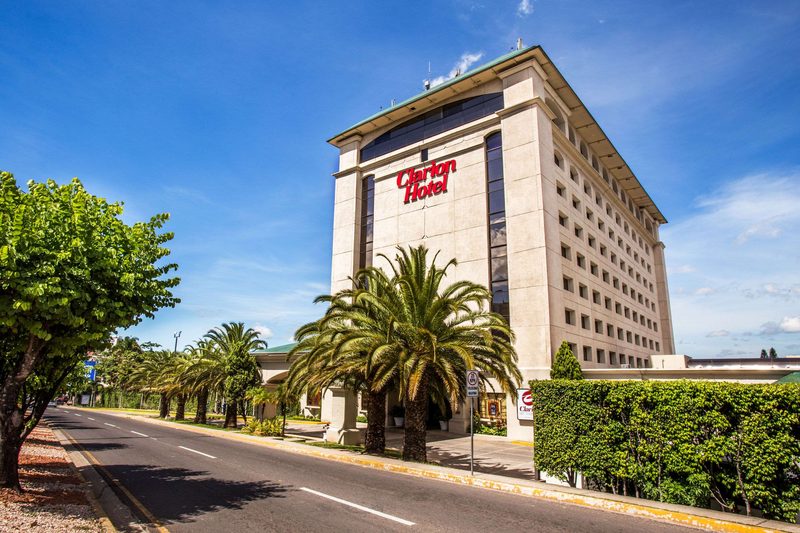
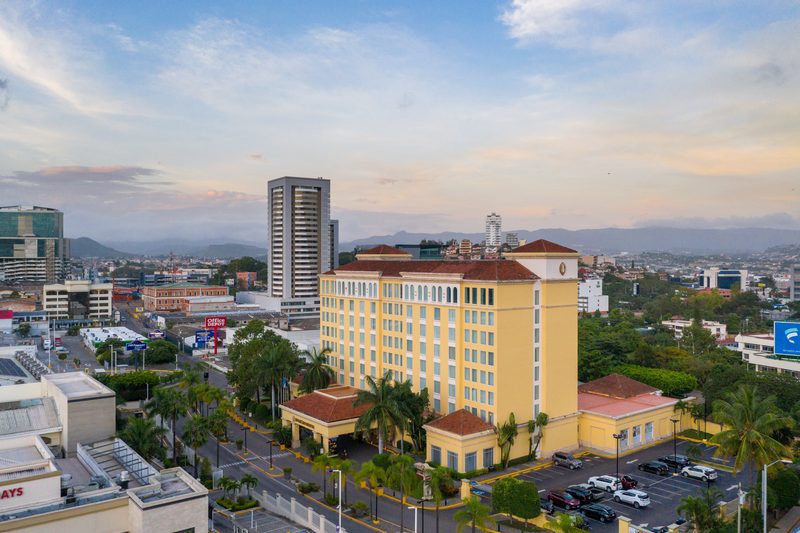
★★★★★
Luxury
InterContinental Hotels TEGUCIGALPA AT MULTIPLAZA MALL by IHG
From $299 / night
Check Prices on Trip.com →
Public Holidays in September
Dates that affect opening hours, transport and crowds
Independence Day
Observed nationwide as a public holiday.
Independence Day
Observed nationwide as a public holiday.
Packing Checklist
Bookmark this page — your progress is saved between visits
Need the full list with shopping links?
Climate-specific gear, brand recommendations, and what to leave at home.
View Honduras Packing List →Essential Tips
Insider knowledge and common pitfalls to avoid
Insider Knowledge
The ferry from La Ceiba to Roatan and Utila runs on a fixed schedule. September seas can delay or cancel departures without much warning. Locals check conditions by calling the dock directly. They do not trust the posted schedule. If you have a flight connection in San Pedro Sula, leave a full buffer day between your island departure and your flight. Getting stranded an extra night is common enough that islanders treat it as normal.
Honduras's Independence Day on September 15 shuts down banks, government offices, and most businesses for at least one day. Sometimes two. ATMs in smaller towns like Copan Ruinas and Gracias can run dry. Withdraw cash beforehand. The Bay Islands are less affected. Their tourism economy keeps shops open. The mainland operates on a holiday footing. Plan your cash needs by September 13 at the latest.
Eat the baleada, Honduras's national street food, at roadside stands. The flour tortilla is griddled to order. It is filled with refried beans, crumbled queso seco, and a drizzle of mantequilla. That mantequilla tastes like nothing you have encountered under the name 'cream' before. The stands near the markets in San Pedro Sula's Guamilito district serve excellent versions. The comedores lining the road into Copan Ruinas do too. They put any sit-down restaurant attempt to shame. Eat with your hands. Eat standing. Go before 9 AM when the tortillas are freshest and the beans have not been sitting.
Security in Honduras deserves a straight answer. Do not dismiss it. Do not panic either. The Bay Islands, Copan Ruinas, Lake Yojoa, and the organized ecotourism corridors around La Ceiba and the national parks are where most international travelers spend their time. These areas have visible tourism police and well-established infrastructure. Tegucigalpa and San Pedro Sula require more urban awareness. Stick to known neighborhoods. Use registered taxis or ride-hailing apps. Do not flag cars on the street. Avoid displaying expensive gear. Travel during daylight on mainland highways. This is standard practice across Central America. September's lower tourist density means you are more conspicuous as a foreigner in areas that are not accustomed to seeing many.
Avoid These Mistakes
Avoid booking a tight connection between the Bay Islands and an international flight without a buffer day. September weather can ground the small prop planes between Roatan and San Pedro Sula. It can cancel the La Ceiba ferry with less than a morning's notice. Travelers who leave themselves zero margin end up paying for last-minute rebooking. They end up sleeping in the La Ceiba bus terminal. Neither is enjoyable.
Do not treat the entire country as if it has one climate. Roatan and Utila on the Caribbean side are hot, humid, and subject to tropical weather patterns. The western highlands around Gracias and Celaque are cool enough at night to warrant a jacket. Tegucigalpa, at 1,000 m (3,280 ft), feels milder than either. Packing exclusively for beach weather and then shivering through a Lenca pottery village at 1,800 m (5,905 ft) is a mistake. It catches first-timers every September.
Skip the islands. Head to the mainland instead. Copan's Maya ruins rank among the Americas' most significant sites. Pico Bonito shelters Central America's densest bird populations. The Garifuna coast between La Ceiba and Trujillo delivers cultural encounters no island can match. September crowds are thin. Navigation is easier now than any other month.
Ready to plan your trip to Honduras?
Now that you've got the research covered, here's where to go next.
Explore More Activities in Honduras
Didn't see anything interesting yet?
Browse Viator's full catalog of tours, day trips, food experiences, and private guides in Honduras.
See All Honduras Tours on Viator