
Things to Do in Honduras in April
April weather, activities, events & insider tips
Low Season · Budget Friendly
April Weather in Honduras
Long-run averages for April in San Pedro Sula
92°F (33°C)
High Temp
74°F (23°C)
Low Temp
1.9 inches (48 mm)
Rainfall
72%
Humidity
12
Sunny-Day UV
⚠ Agricultural burning across the rural interior and Mosquitia lowlands creates haze over western highlands and the San Pedro Sula corridor in April. Visibility drops. Air quality suffers for days. Travellers with asthma or respiratory issues should track local conditions. Pack a filtered mask for overland travel through affected zones.
⚠ UV exposure hits extreme levels at Honduran latitudes in April. Clear days are brutal. Unprotected skin burns in under 20 minutes at midday. Water reflection intensifies the damage. Dive boats amplify it. Beaches too. Reapply sunscreen after every swim. Wear protective clothing for long stretches outdoors.
Making the most of April in Honduras? Browse tours and activities in Honduras on GetYourGuide.
Is April Right for You?
Weigh the advantages and considerations before booking
Advantages
- + April is Honduras's driest month. San Pedro Sula records just 1.9 inches (48 mm) of rain on average. Reef visibility off Roatan and Utila peaks in these conditions, often exceeding 30 m (100 ft). The trails through Pico Bonito National Park and up Cerro Celaque stay firm and navigable. Skip October through February. That stretch brings ankle-deep mud.
- + Whale shark season is in full swing off Utila's north shore. Deep ocean currents and spawning bonito draw these 10 m (33 ft) filter feeders close enough to snorkel alongside. April tends to be one of the most reliable months. Utila remains one of the few places on Earth where encounters happen in relatively uncrowded water. Worth the trip.
- + Semana Santa falls in late March in 2027. April sits in a sweet spot. The domestic holiday crowds have cleared. Accommodation across the Bay Islands and Copan Ruinas opens up. Operators who were fully booked through Easter week suddenly have availability. They are willing to negotiate. Book now.
- + The Caribbean coast from Tela's Garifuna villages through La Ceiba to the Bay Islands catches steady trade winds in April. These temper the coastal heat. They keep the sea surface calm enough for comfortable open-water crossings on the La Ceiba to Roatan ferry. That ride gets noticeably rougher once the rainy season arrives around June. Plan accordingly.
Considerations
- − The mainland heat is no joke. San Pedro Sula's average high of 33°C (92°F) paired with 72% humidity pushes the real feel well past 38°C (100°F) by early afternoon. The Tegucigalpa valley traps that warmth between its surrounding hills. Outdoor sightseeing in either city between noon and 3 PM is miserable. Plan around shaded markets, museums, or a long lunch instead.
- − Agricultural burning across the rural interior and Mosquitia lowlands produces a haze. This can settle over the western highlands and San Pedro Sula corridor for days at a time in April. Visibility drops. Air quality degrades. If you have respiratory sensitivities, check conditions before committing to highland hikes around Gracias or Santa Rosa de Copan. Be cautious.
- − Honduras's mainland infrastructure between destinations remains limited and slow. The drive from San Pedro Sula to Copan Ruinas covers roughly 180 km (112 miles) but takes close to three hours on winding two-lane mountain roads. The La Ceiba to Tegucigalpa corridor is a full day of travel. April's dry roads are better than the rainy-season alternative. Plan for slow going. Build buffer days into any mainland itinerary.
Short on time in April? See day trips around Honduras on GetYourGuide.
Best Activities in April
Top things to do during your visit
Mesoamerican Barrier Reef Diving off Roatan
April's calm seas and dry weather deliver some of the best diving conditions of the year along the Mesoamerican Barrier Reef. This is the second largest reef system on the planet. It runs just a few hundred metres off Roatan's south shore. Wall dives along the West End drop from 12 m (40 ft) to over 60 m (200 ft) into blue nothing. The coral gardens are thick with elkhorn and staghorn formations. Visibility regularly clears past 30 m (100 ft). The water sits around 28°C (82°F). A rash guard suffices. No full wetsuit needed. You will likely share dive sites with hawksbill turtles, spotted eagle rays, and the occasional reef shark gliding along the wall's edge. April's lower tourist count after Semana Santa means smaller dive groups. This makes a real difference when you are hovering over a cleaning station watching a grouper get its gills picked clean by gobies.
Booking Tip: Book certification courses or multi-dive packages at least two weeks ahead. April fills more slowly than peak months. The best operators with small boat limits and experienced divemasters still book out. Look for PADI or SSI certified operations with their own vessels rather than shared charters. See current dive tours in the booking section below. Do not wait.
Whale Shark Snorkeling Expeditions from Utila
Utila sits on the edge of a deep ocean trench where bonito spawn in spring. Their clouds of eggs draw whale sharks close enough to the surface to snorkel alongside. These are the largest fish alive, often exceeding 10 m (33 ft). April is likely your best window. The sea is calm. The sharks are actively feeding. The season is established enough that spotter boats know the patterns. This is not a guaranteed encounter. Anyone who promises otherwise is lying. April's hit rate tends to be higher than March or May. The experience itself is humbling in a way that is hard to convey. You slip off the side of a small panga into open Caribbean water. Suddenly a bus-sized animal glides beneath you. Its spotted back dapples the light. It moves with a slow power that makes you aware of exactly how small you are. Utila's encounters feel notably more intimate than the mass-tourism operations elsewhere. The boats are smaller. Marine park regulations keep snorkeler counts low.
Booking Tip: Whale shark trips depend entirely on daily sightings. Book with operators who offer a rerun policy if no sharks appear on your outing. Plan to stay on Utila at least three nights. This gives you multiple windows. Licensed operators run morning departures. Confirm your operator carries current marine park permits. See available options in the booking section below. Check first.
Copan Ruinas Maya Archaeological Exploration
Copan is the intellectual capital of the ancient Maya world. The longest known hieroglyphic text in Mesoamerica climbs 63 steps up the Hieroglyphic Stairway. The stelae in the Great Plaza still carry portraits of rulers who died thirteen centuries ago. April's dry heat keeps the grassy plazas firm underfoot. The carved stone details stay sharp against cloudless skies. This contrasts sharply with rainy months, when moss and moisture soften everything into green blur. The sculpture museum sits just inside the park entrance. It houses a full-scale replica of the Rosalila Temple. Its original paint colours have been reconstructed in reds, greens, and creams. These hit harder than the weathered grey stone outside. Beyond the main ruins, the macaw sanctuary lines the Copan River. Wild scarlet macaws make their home here. April brings nesting season. Pairs are visible in the ceiba trees most mornings. Their red-and-blue plumage looks absurd against the dense canopy. The town of Copan Ruinas itself is compact and walkable. The central square cools to about 23°C (74°F) in the evening. The smell of carne asada and ripe plantain drifts from the comedores lining the side streets.
Booking Tip: The ruins open early. Arrive by 8 AM. Beat the heat. Beat the tour groups that begin arriving mid-morning. Guided tours add enormous value here. The site's significance lies in its inscriptions and political history, not just visual scale. Arrange a licensed guide through the visitor centre. Or book ahead through a local operator. See current Copan tours in the booking section below.
Pico Bonito Rainforest Hiking and Waterfall Trails
Pico Bonito rises 2,435 m (7,989 ft) behind La Ceiba. It forms a wall of cloud forest that stays green even at the tail end of dry season. Moisture rolls off the Caribbean to feed it. The lower trails include the well-maintained path to the Zacate waterfall. These wind through primary rainforest where the canopy closes overhead. The soundscape shifts from cicadas to the drip-and-call of turquoise-browed motmots and keel-billed toucans. The keel-billed toucan is Honduras's national bird. April makes them easier to spot. Fruiting trees draw them to lower branches. The trail surfaces hold firm in April's drier conditions. Humidity under the canopy still sits high enough to soak through a cotton shirt within the first kilometre. The waterfall drops into a pool cold enough to shock you after the sweaty hike in. The water runs around 18°C (64°F) year-round. This is a sharp jolt against the 33°C (92°F) air. The whole trek is worth it. White-faced capuchins move through the mid-canopy in noisy troops. Stay quiet on the trail at dawn. You might catch a glimpse of a jaguarundi slipping between the buttress roots.
Booking Tip: The Zacate waterfall trail is roughly 2 km (1.2 miles) each way. It suits moderate fitness. Start by 6 AM. Catch the best bird activity. Avoid the midday heat that makes the return hike punishing. Guides are required for most trails. Arrange them at the park entrance or through La Ceiba-based outfitters. See options in the booking section below.
Lake Yojoa Birdwatching and Kayaking
Lake Yojoa is Honduras's largest natural lake. It sits at 635 m (2,083 ft) in a highland basin between San Pedro Sula and Tegucigalpa. April's transitional weather makes this one of the richest birdwatching windows in Central America. Over 480 species have been recorded around the lake, its bordering cloud forests, and its marshy shoreline. In April, northbound migratory species overlap with resident tropical birds. A single dawn outing with binoculars might turn up a northern jacana picking across the lily pads. You might see a ringed kingfisher hammering the shallows. You might spot a boat-billed heron standing motionless in the reeds. All this can happen within an hour. The lake surface stays calm enough in April for kayaking. The view from the water shows Cerro Azul Meambar rising to the east. Coffee plantations step up the western slopes in dark-green rows. This stillness is something the Caribbean coast never offers. The surrounding area is Honduras's micro-coffee heartland. April falls just after the main harvest. Small fincas are sorting and sun-drying beans on concrete patios. The warm, earthy smell of fresh-roasted coffee drifts from roadside beneficios.
Booking Tip: Lake Yojoa sits roughly equidistant from San Pedro Sula and Tegucigalpa. It takes about 1.5 to 2 hours from either city by car. Local birding guides based near the lake know the specific hotspots and nesting sites. Arrange one at least a week ahead during migratory season. The serious naturalists book the best guides early. Kayak rentals are available lakeside without advance booking. See available nature tours in the booking section below.
Where to Stay in Honduras in April
Hand-picked hotels across price tiers for April travellers.
★★★★★
Luxury
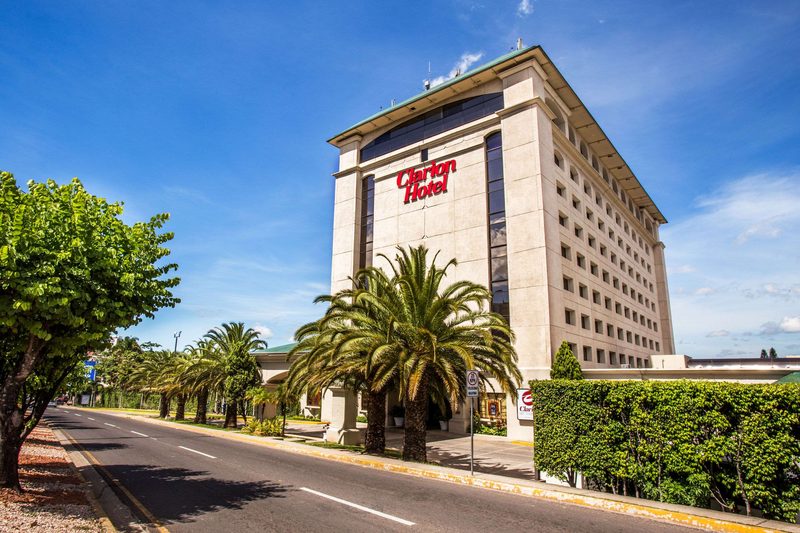
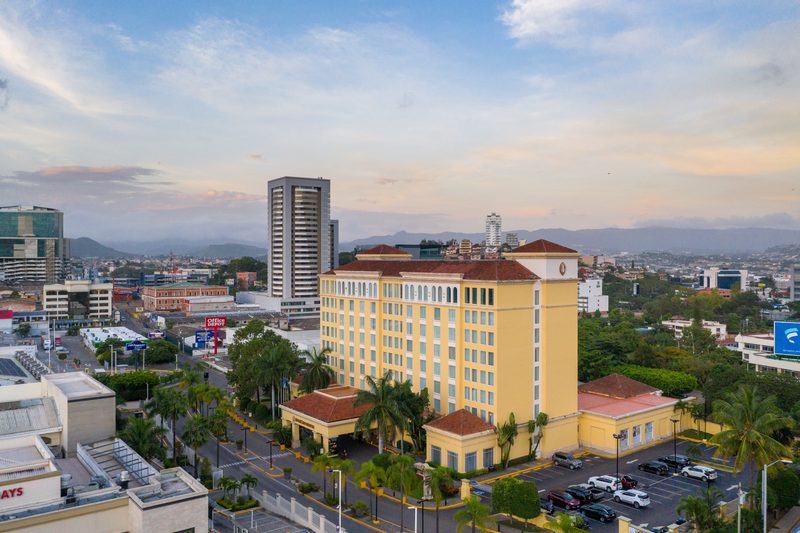
InterContinental Hotels TEGUCIGALPA AT MULTIPLAZA MALL by IHG
From $299 / night
Check Prices on Trip.com →
Public Holidays in April
Dates that affect opening hours, transport and crowds
America's Day
Observed nationwide as a public holiday.
Holy Thursday
Known in English as Maundy Thursday. Observed nationwide as a public holiday.
America's Day
Observed nationwide as a public holiday.
Good Friday
Observed nationwide as a public holiday.
Holy Saturday
Observed nationwide as a public holiday.
Packing Checklist
Bookmark this page — your progress is saved between visits
Need the full list with shopping links?
Climate-specific gear, brand recommendations, and what to leave at home.
View Honduras Packing List →Essential Tips
Insider knowledge and common pitfalls to avoid
Insider Knowledge
The La Ceiba to Roatan ferry runs twice daily. Locals take the early departure. The sea is calmer in the morning. The crossing is smoother. You arrive with the full afternoon ahead of you. The later departure catches afternoon chop. A 75-minute ride becomes a queasy 90. Sit upper deck, starboard side. The approach view of Roatan's reef-fringed south shore rewards you.
Safety in Honduras varies dramatically by location. Treating the whole country as one risk profile is the most common mistake outsiders make. Roatan, Utila, and Copan Ruinas operate like most Caribbean tourist destinations. Walk around after dark. Eat at street stalls. Take local transport without unusual concern. San Pedro Sula and Tegucigalpa demand more awareness. Use registered radio taxis or ride-hailing apps. Avoid displaying expensive electronics. Stick to established neighbourhoods after dark. Ask your accommodation for current local advice. Outdated warnings mislead. The Garifuna communities along the north coast between Tela and Trujillo welcome visitors but sit off the main tourist circuit. Go with a local contact or guide your first time.
Baleadas are the Honduran meal you will eat most often. You will care least on day one. You will care most on your last. A flour tortilla folded around refried beans, crumbled queso seco, and a thick stripe of mantequilla sounds plain. That slightly sour Honduran cream changes everything. Taste one fresh off a hot comal at a market stall. The tortilla comes warm and faintly charred. The beans run creamy. The mantequilla's tang cuts through everything. The best ones come from comedores in San Pedro Sula's Guamilito market. The stands around Copan's central park also deliver. Hotel restaurants do not. Order the full breakfast version with scrambled eggs and avocado. You will not think about food again until mid-afternoon.
Planning both the Bay Islands and the mainland highlands? Resist cramming it into one week. Honduran travel times obey winding mountain roads. Ferry schedules shift with sea conditions. Rockslide closures happen. Building a full buffer day between major destinations is not lazy planning. It is the difference between a trip that flows and one that frays. A realistic circuit for ten days: three nights on Roatan or Utila. One night in La Ceiba for Pico Bonito. Two nights at Lake Yojoa. Two nights in Copan Ruinas. Travel days in between. Rushing ruins it.
Avoid These Mistakes
Flying into San Pedro Sula and transferring straight to the Bay Islands skips the mainland entirely. This is a mistake. Honduras's north coast, western highlands, and lake country hold the cultural depth. Watch Garifuna drumming circles and cassava-bread making along the coast near Tela. See Lenca pottery tradition in the hills around Gracias. Catch cloud-forest birdlife ringing Lake Yojoa at dawn. Roatan is gorgeous. It is also an English-speaking Caribbean island that could belong to Belize or the Caymans. The mainland is where Honduras is unmistakably, stubbornly itself.
Powering through outdoor sightseeing between noon and 3 PM is dangerous here. At 33°C (92°F) with 72% humidity, heat exhaustion is not theoretical. Every Honduran town goes quiet after lunch for a reason. Follow the local rhythm. Mornings are for activity. Early afternoon is for a slow meal in the shade. Take a siesta. Things pick up around 4 PM when the air loosens slightly. Fighting this pattern turns a good trip into an ordeal. Work with it instead.
Do not assume the mainland takes US dollars just because the Bay Islands do. Outside Copan Ruinas and the odd tourist business, you need Honduran lempiras. Cash only. ATMs exist in San Pedro Sula, Tegucigalpa, La Ceiba, and larger towns. Smaller places? Unreliable. Machines sit empty for days. Withdraw in cities before Lake Yojoa, Gracias, or the rural north coast. Card acceptance is growing. Spotty elsewhere. Stick to mid-range spots or higher.
Ready to plan your trip to Honduras?
Now that you've got the research covered, here's where to go next.
Explore More Activities in Honduras
Didn't see anything interesting yet?
Browse Viator's full catalog of tours, day trips, food experiences, and private guides in Honduras.
See All Honduras Tours on Viator